
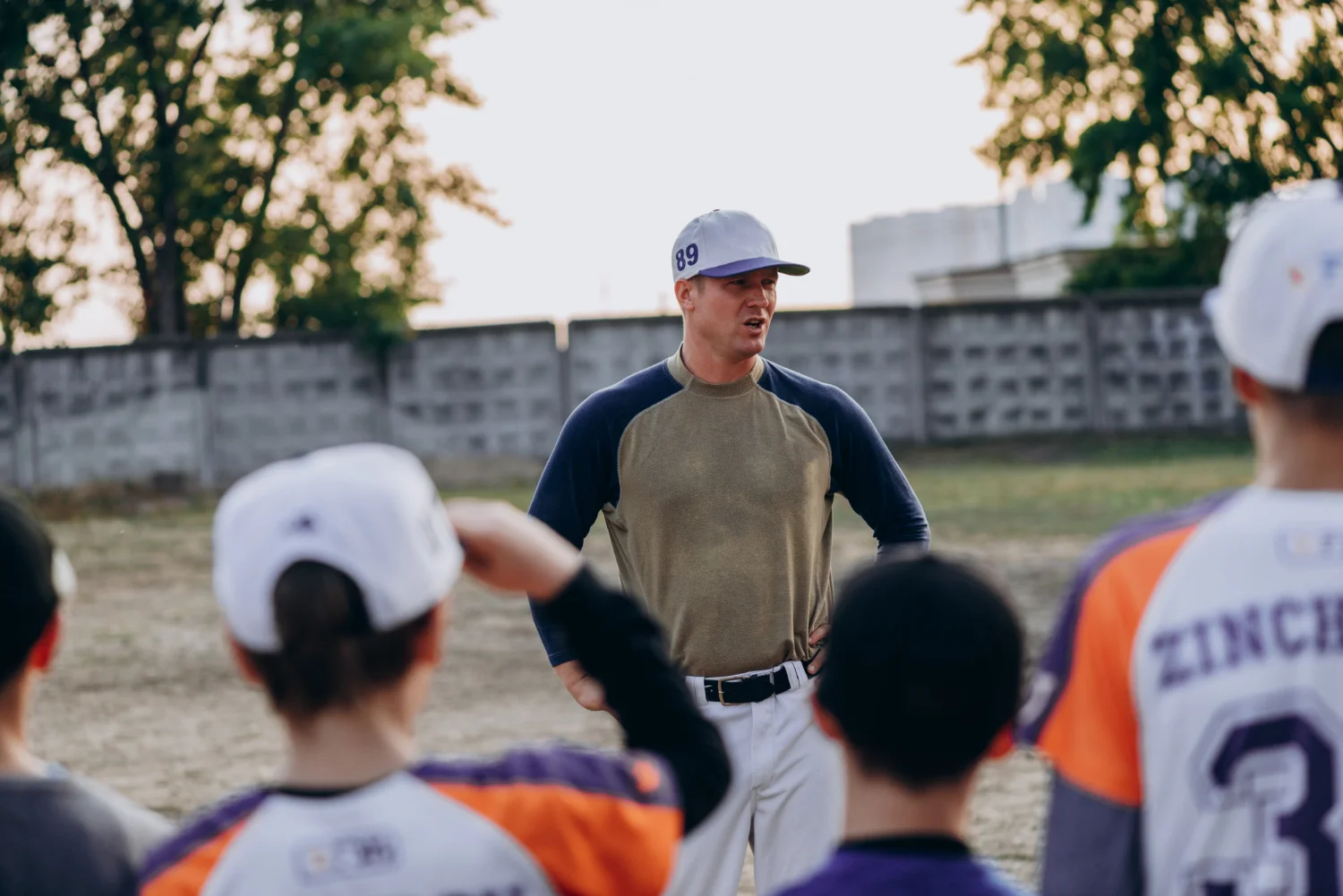
Many passionate sports fans and former athletes actively search for college baseball coaching jobs every year. This competitive career path offers a unique opportunity to shape young lives while staying deeply connected to the game you love. Understanding the specific requirements and daily realities of this profession gives you a massive advantage when pursuing these limited positions.
The Daily Realities Of The Position
Leading a collegiate athletic program involves much more than simply writing a lineup card and watching games from the dugout. Head coaches and their assistants manage enormous administrative workloads alongside their actual on-field responsibilities. They spend countless hours reviewing video footage, analyzing statistics, and preparing detailed scouting reports on upcoming opponents.
Recruiting consumes a massive portion of the annual schedule for any collegiate staff member. Coaches travel across the country to evaluate high school prospects during summer tournaments and weekend showcases. They must maintain constant communication with potential recruits, their families, and their high school programs to secure commitments.
Academic oversight also plays a critical role in maintaining a successful collegiate athletic program. Staff members monitor their athletes’ grades closely to ensure everyone meets strict eligibility requirements set by the governing athletic associations. They coordinate with academic advisors and arrange tutoring sessions to help players balance their studies with their demanding athletic schedules.
Choosing The Right Academic Path
You absolutely need formal higher education to secure college baseball coaching jobs at almost any university. Hiring committees usually require candidates to hold at least a bachelor’s degree from an accredited institution. Earning a master’s degree significantly increases your chances of landing a prominent head coaching position later in your career.
Most successful candidates pursue degrees directly related to sports science, kinesiology, or physical education. A sports management program provides excellent foundational knowledge regarding athletic administration, sports law, and facility operations. These specialized academic tracks teach you how to manage budgets, understand compliance regulations, and organize large-scale athletic events.
Studying exercise physiology and biomechanics gives you a massive advantage when developing modern training programs. You learn exactly how the human body generates power, which directly helps you teach proper hitting and pitching mechanics. Understanding injury prevention and recovery protocols ensures you keep your athletes healthy throughout a grueling season.
Earning Important Certifications
A college degree represents just the first step in your educational journey toward leading a collegiate team. You should actively pursue specialized coaching certifications through recognized organizations like USA Baseball or the National Federation of State High School Associations. These official credentials prove your dedication to professional development and highlight your technical expertise.
First aid and CPR certifications remain absolute requirements for anyone working directly with student-athletes. You must know exactly how to respond during medical emergencies on the field. Athletic departments strictly enforce these safety standards before allowing anyone to conduct a formal practice session.
Starting Your Career Journey
Almost nobody steps directly into a head coaching role at a major university without paying their dues first. You must build a strong resume by accepting entry-level positions and proving your worth over several seasons. Many successful professionals begin their journeys by volunteering at local high schools or managing youth travel teams.
Graduate assistant programs offer the perfect transition between playing the sport and leading a collegiate roster. Universities hire recent graduates to help run practices, manage equipment, and organize travel logistics while they earn their master’s degrees. This arrangement allows you to gain crucial administrative experience while studying under seasoned veterans.
Working as a volunteer assistant coach provides another common entry point into the collegiate ranks. You might not earn a traditional salary in this role, but you gain priceless networking opportunities and hands-on experience. Treating this unpaid position like a full-time profession often leads to permanent job offers within the same athletic department.
Mastering Essential Industry Skills
Modern programs rely heavily on advanced technology to evaluate talent and correct mechanical flaws. You must learn how to operate specialized tracking systems that measure pitch velocity, spin rate, and launch angles. Translating this complex data into actionable advice separates elite instructors from average ones.
Communication skills ultimately determine your long-term success or failure in this demanding profession. You must clearly explain complex strategies to players, negotiate funding with athletic directors, and answer tough questions from local media outlets. Building strong relationships with your roster requires massive amounts of empathy, patience, and emotional intelligence.
Building Your Professional Network
The athletic industry operates heavily on personal recommendations and strong professional relationships. You must actively introduce yourself to other professionals at national coaching conventions and regional clinics. Sharing ideas with your peers helps you discover new training techniques and keeps you informed about upcoming job openings.
Mentorship plays a crucial role in developing your personal leadership style and tactical philosophy. Find experienced professionals who willingly share their successes, failures, and administrative templates with younger staff members. These established veterans often provide the vital reference letters needed to secure your first major contract.
Planning For Long-Term Advancement
Moving up the professional ladder requires immense patience and a willingness to relocate frequently. You might need to move across the country to accept a promotion at a smaller junior college or an NAIA institution. Finding success at these lower levels inevitably attracts the attention of major Division I athletic directors.
The path requires sacrifice, long hours, and relentless dedication to the sport. However, those who truly love the game find immense satisfaction in helping young athletes reach their full potential. If you commit fully to the educational process and embrace the daily grind, you can build a highly rewarding career on the diamond.